
Connecting with nature by foraging is a rewarding way to slow down and appreciate the land around you. In the Czech Republic, the forests offer a bounty of wild edibles throughout the year. I love to get my woven basket and go for a walk – I always find smething. Here is a guide to what you can find in each season.
A Note on Safety: While foraging can be incredibly rewarding, it’s essential to forage responsibly. Never consume a plant or mushroom you can’t positively identify. If you are a beginner, go with an experienced forager or use a trusted, up-to-date guide.
Spring’s First Gifts: Wild Garlic, Spruce Tips, and Spring Herbs
Spring in the Czech forests brings a vibrant, fresh green that is full of flavor.
- Wild Garlic (Medvědí česnek): This is one of the first and most abundant finds of the season. Look for large carpets of bright green leaves in damp, shady spots. Wild garlic has a delicate flavor, a bit milder than regular garlic. It’s perfect for making pesto, adding to soups, or chopping fresh over a slice of bread with cottage cheese.
- Spruce Tree Tips (Smrkové výhonky): In late spring, look for the bright green, soft tips on the ends of spruce branches. These tender tips are packed with vitamin C and have a unique citrusy, resinous flavor. They can be used to make a classic spruce tip syrup, a soothing remedy for a sore throat, or a unique addition to homemade sodas.
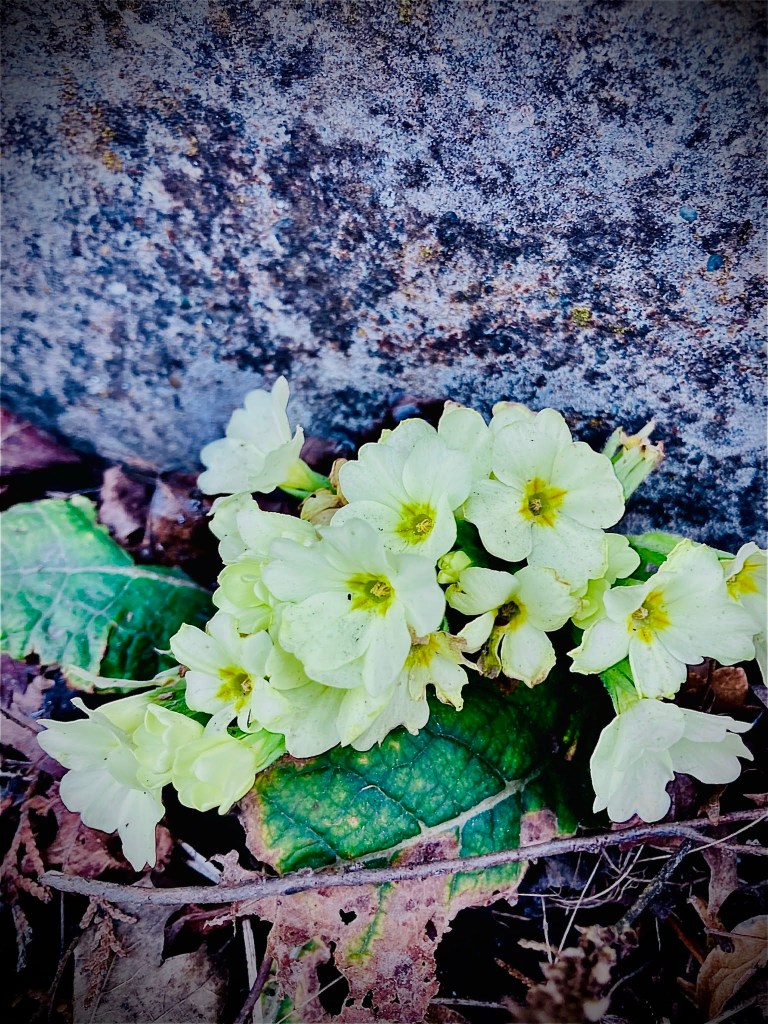
- Spring Herbs: As the weather warms, the forest floor offers an array of versatile herbs. Nettle is one of the most common and can be used in teas, soups, or even as a base for a nutritious sauce. Primrose is an early-blooming flower whose blossoms can be used to prepare a tea together with the next herb. Coltsfoot, often mistaken for a dandelion, is known for its yellow flowers that appear before its leaves; it’s a traditional herb used in teas. You can also create a syrup out of herbs. You can find out about elderflower syrup I made this year here.
Summer’s Bounty: Herbs and Berries
The warmth of summer brings a new layer of life to the forest floor, with a variety of aromatic herbs and sweet berries.
- Herbs: The forest edges and meadows are full of medicinal and culinary herbs. Look for St. John’s wort, which is known for its yellow blossoms. Wild marjoram and wild thyme grow in sunny spots and are perfect for adding flavor to dishes. Yarrow and agrimony are common finds that can be dried for tea. You can read more about my favorite herbal tea blends here.
- Berries: Summer is the season for foraging sweet forest berries. While wild strawberries and blueberries are still around, this is the prime time for blackberries and raspberries. Look for them in sunny clearings or along the edges of the forest paths. These berries are smaller than their cultivated cousins but are bursting with a more intense flavor, perfect for snacking, making a simple jam, or as a topping for pancakes.
Autumn’s Harvest: The Mushroom Kingdom
As the leaves begin to turn, the Czech Republic’s favorite foraging season begins.
- Mushrooms: This is the time when locals flock to the forests in search of mushrooms. The most prized finds are the porcini mushroom, known for its nutty flavor and firm texture, and chanterelles, which are known for their bright color and peppery taste. There are countless other edible varieties, so it is essential to be with an experienced forager and to use a trusted guide to ensure you are picking a safe, edible mushroom.

Simple Recipes & Uses
After a day spent foraging, the best way to enjoy your harvest is with simple, no-fuss recipes that celebrate the ingredients.
- For your wild mushrooms: Sauté them simply in butter with garlic and herbs. They make an excellent topping for toast or a side dish for a hearty meal. Maybe use it as a pasta sauce – you can find my pasta recipe here.
- For your wild herbs: Dry them to make your own tea blends, or use them fresh to flavor salads and soups.
- For your berries: Turn them into a quick and simple jam or use them as a filling for a classic fruit crumble. I write about my super slow jam here. And you can make also sweet dumplings filled with the berries instead of jam. I especially love to use blueberries for that. My recipe for steamed sweet dumplings is here.
The Philosophy of Foraging
More than just a search for wild food, foraging is an act of slow living. It forces you to step away from the noise and to reconnect with the natural world around you. It’s a mindful practice that encourages patience, observation, and a deeper appreciation for the simple, seasonal rhythm of life. It reminds you that the most valuable things are often free and in abundance if you only take the time to look.
This post contains affiliate link to a woven bcket from amazon. If you are thinking about buying one, you can supposrt me by doing i through this link.


Pridaj komentár