
In recent years, the world has fallen in love with “hygge” and “fika”—the Danish and Swedish concepts of cozy contentment and coffee breaks. But here in the heart of Central Europe, we have our own quiet philosophy for a well-lived life. It’s called ‘pohoda’, and it’s not about candlelight and woolen socks. It’s the simple, profound art of taking it easy.
Pohoda is a feeling—a state of calm, ease, and unhurried peace. It’s the moment when you are not rushing, not stressing, and are completely content with where you are and what you’re doing. It’s something you can find anywhere, if you know how to look.
Pohoda in the City: Finding Calm in the Urban Flow
Living in a city like Prague, it’s easy to get caught up in the tourist rush. But to find pohoda, you have to look for the quiet rhythms of local life. It’s not in the crowded main squares, but in the side streets and hidden corners.
- A quiet café: It’s a coffee shop away from the main tourist paths, where you can sit and watch the world go by without being disturbed.
- A walk along the Vltava: It’s a stroll along the river in the early morning, before the crowds arrive.
- A park bench: It’s finding a quiet bench in a local park, like Letná or Riegrovy sady, to read a book or just sit in the sun.
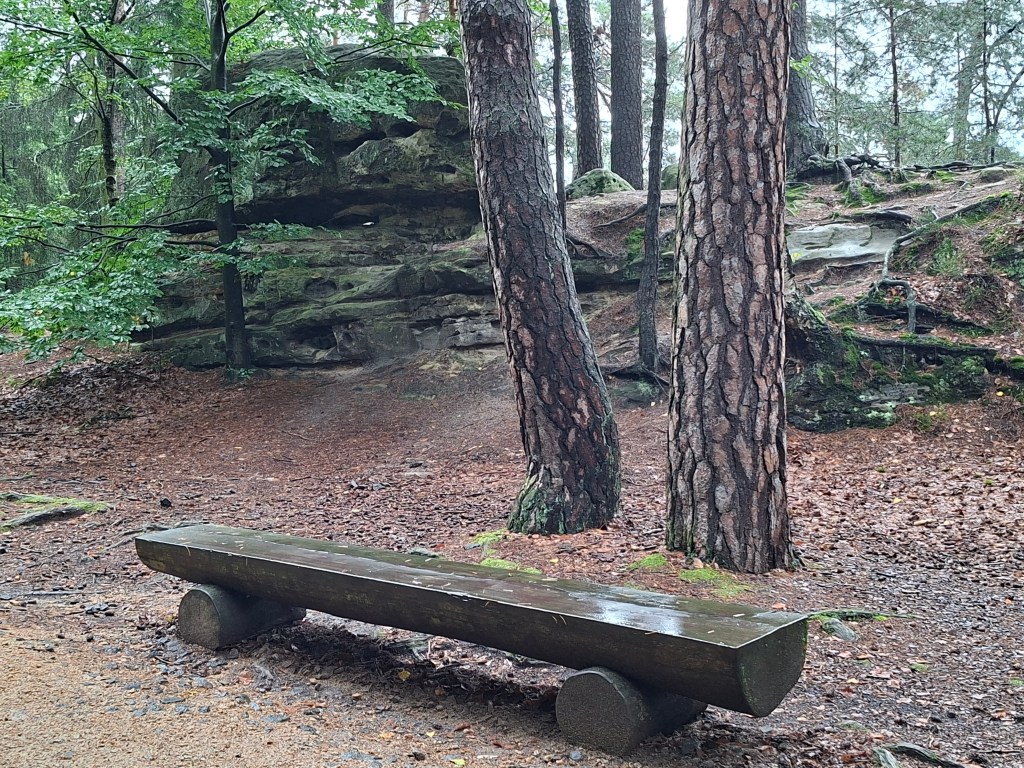
Pohoda in Nature: The Czech Love of the Outdoors
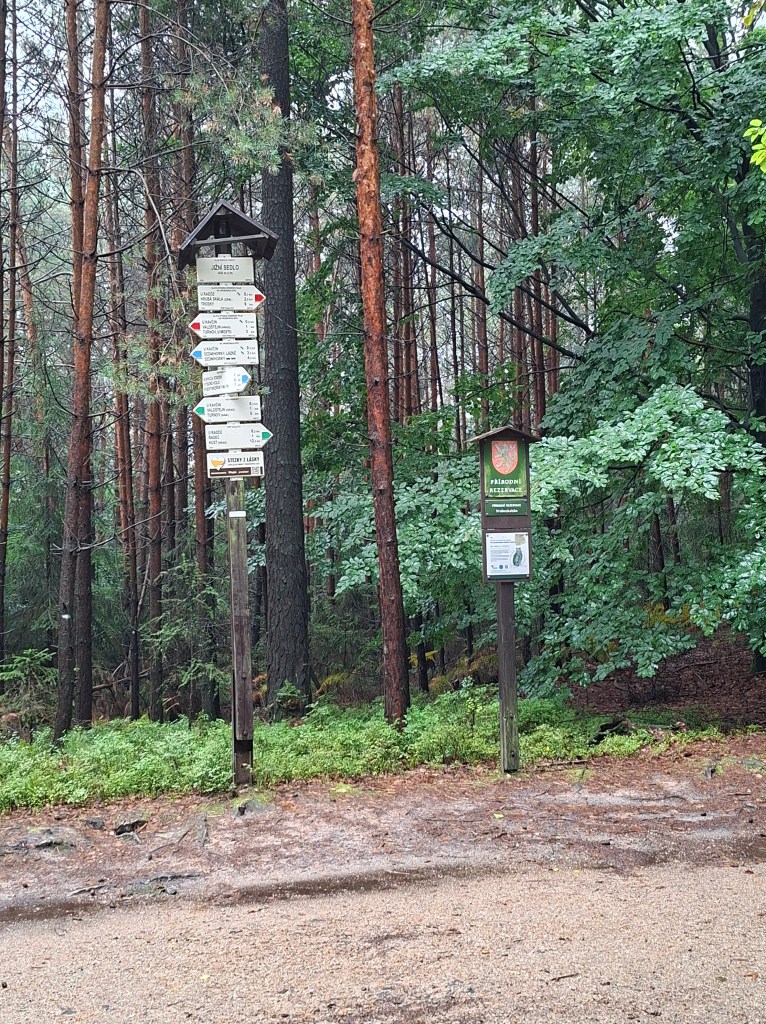
Czechs have a deep-rooted love for their forests and nature. It’s in the countryside that you can find pohoda in its purest form.
- In the forest: It’s a walk in the woods on a Sunday afternoon, with the smell of pine and damp earth. You’re not hiking to a destination; you are walking for the sake of walking and maybe if you are lucky you will bring home a mushroom or two.
- At the cottage: It’s a weekend at the family ‘chata’ or cottage, where the only items on your to-do list are chopping wood and having a barbecue with friends.
- By the pond: It’s sitting by a pond with a fishing rod, not necessarily to catch fish, but to enjoy the quiet reflection of the water.
Pohoda in the Home: Comfort in Simplicity
Pohoda at home isn’t about perfectly curated interiors. It’s about creating an atmosphere of unhurried ease with small, simple rituals.
- The slow meal: It’s not eating a quick meal, but sitting down to a long, unhurried lunch or dinner with family.
- Morning coffee: It’s the simple ritual of making coffee in the morning and enjoying it while still in your pajamas, without a phone or computer in sight.
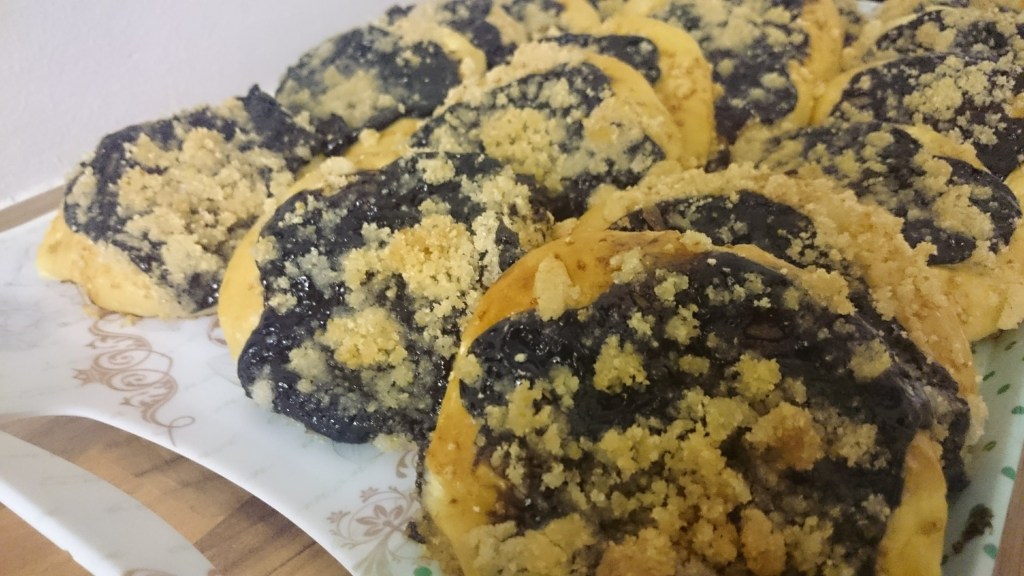
- Afternoon snack: It’s a spontaneous visit from a neighbor and sharing a slice of cake and a cup of tea.
Pohoda in Popular Culture and Daily Life
The feeling of ‘pohoda’ isn’t just a personal concept; it’s a living, breathing part of Central European culture. It shows up in daily conversation, in popular music, and even in national events.
One of the most powerful examples is the Pohoda festival, the largest music festival in Slovakia. Despite being a major event with huge crowds, its very name suggests that its core purpose is to create a space of ease and calm. It’s a testament to the idea that even in a chaotic environment, you can find a state of unhurried joy and connection.
The word has also made its way into other media. The Czech rock band Kabát turned the word into an anthem of laid-back, carefree living with their song “Pohoda.” The phrase “Pohoda klídek tabáček,” (pohoda, calmness, tobacco) from a hit song by the band Chinaski, also became a well-known cultural reference for a no-stress, easygoing attitude. The popular TV series Osada, about a community of Czech cabin owners, even uses the slogan, “Tady bude pohoda, i kdyby nás to mělo stát život!” (There will be pohoda here, even if it costs us our lives!), which perfectly captures the lengths to which Czechs will go to find that feeling of peace in nature.
Beyond songs and TV, you’ll hear the word everywhere. It’s used to express a sense of agreement or to offer reassurance. A simple “To je v pohodě!” means “It’s all good!” It’s a quiet promise that things are fine, there is no need to worry, and the world can keep spinning at its own pace.
The Art of Doing Nothing
At its core, pohoda is about giving yourself permission to do nothing. It’s about resisting the urge to be productive and instead, just being. It’s a quiet rebellion against the modern world’s obsession with busyness.
Your personal journey to finding pohoda might not look like this. But the beauty of it is that it’s all about finding what quiet, unhurried moments mean to you. It’s a simple, universal feeling, and it’s always waiting for you.

Pridaj komentár